

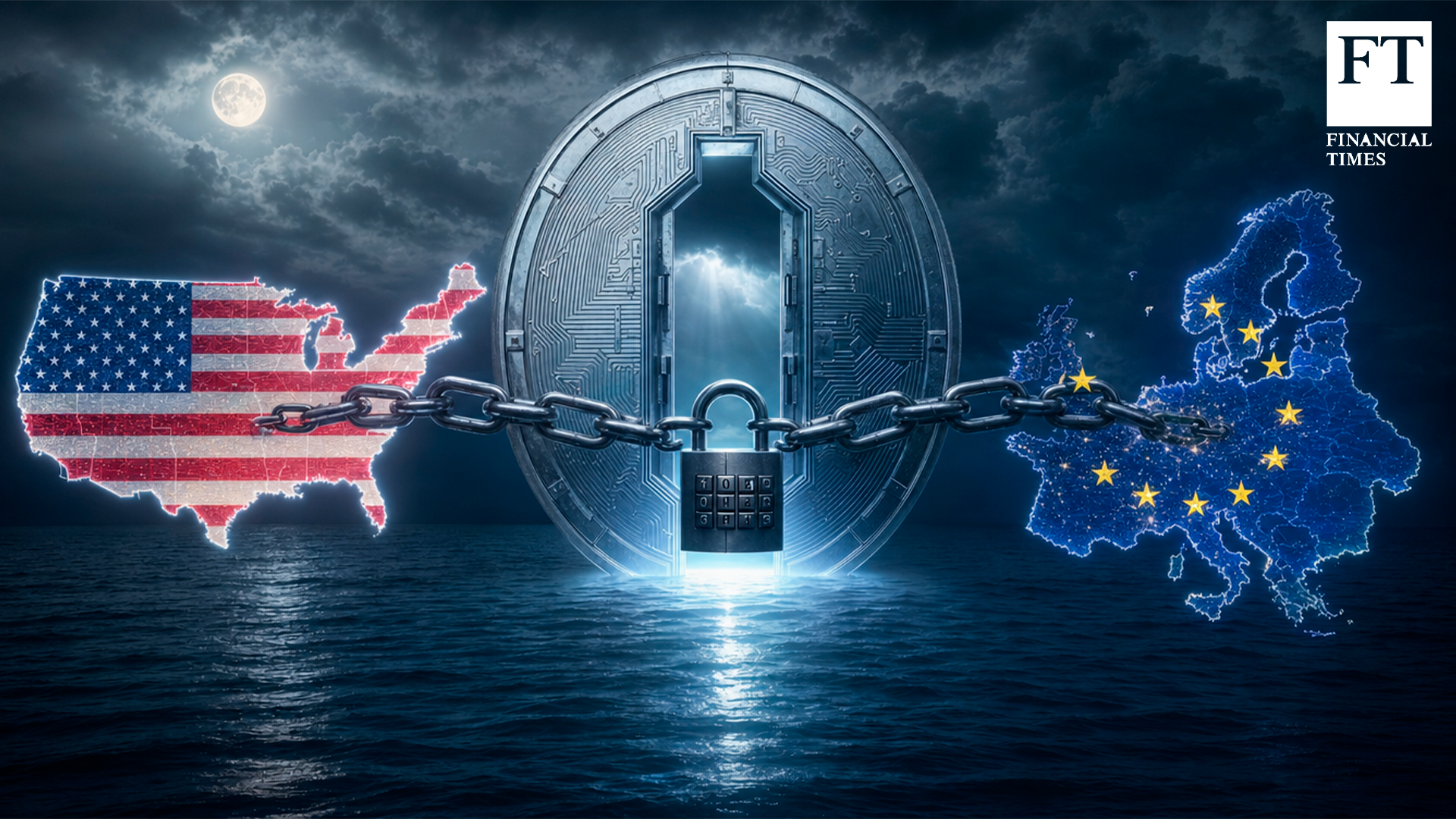
European leaders have publicly expressed concern about the possibility of expanding U.S. tariffs on European products.
However, instead of immediately escalating tensions, Europe appears focused on:
- Strengthening internal production
- Increasing industrial investment
- Supporting technology development
- Reducing economic vulnerabilities
Some analysts believe Europe is deliberately avoiding direct confrontation while quietly preparing for a more competitive global economy.
The Industries Most Affected
Several major sectors are at the center of current trade discussions:
- Electric vehicles
- Semiconductor manufacturing
- Green energy technology
- Steel and industrial goods
- Advanced electronics
These industries are increasingly viewed not only as economic assets, but also as strategic geopolitical tools.
The Global Economy Is Changing
For decades, globalization was based on efficiency and interconnected supply chains.
But after years of:
- geopolitical conflicts
- supply chain disruptions
- inflation pressures
- technology competition
many governments are now prioritizing resilience over efficiency.
This has led to a gradual shift toward:
- domestic manufacturing
- regional supply chains
- economic independence
Experts say this trend could reshape international trade for years to come.
China’s Growing Influence Adds More Pressure
At the same time, China continues investing heavily into artificial intelligence, infrastructure, manufacturing, and global trade expansion.
As competition between major economies grows, both the United States and Europe are attempting to secure their positions in industries expected to dominate the future economy.
This has transformed tariffs from simple trade tools into part of a much larger strategic competition.
Businesses Are Watching Carefully
Large multinational companies are closely monitoring political developments because tariffs can directly affect:
- production costs
- supply chains
- investment planning
- international expansion
Some companies are already moving manufacturing operations or diversifying suppliers in preparation for possible future trade restrictions.
Consumers May Eventually Feel the Effects
Although trade policy often sounds distant from everyday life, tariffs can eventually influence:
- prices of imported goods
- electronics costs
- vehicle prices
- industrial materials
- consumer products
Economists warn that prolonged trade tensions can contribute to inflation and slower economic growth globally.
A More Fragmented Economic Future
Many analysts believe the world economy is entering a more fragmented era where countries prioritize:
- strategic industries
- national security
- technological independence
- economic control
This represents a major shift away from the highly globalized economic model that dominated previous decades.
Conclusion
The growing tariff tensions between the United States and Europe reflect much more than disagreements about trade policy.
They reveal a deeper transformation happening in the global economy — one driven by competition over technology, industrial power, and long-term economic influence.
And while political negotiations continue publicly, many experts believe the structure of global trade is already quietly changing behind the scenes.